When your vehicle needs repairs, you have options: new parts, OEM parts, or quality used components from professional car breakers and dismantlers. Each has its place in vehicle maintenance, but understanding the environmental benefits of used parts can help you make informed decisions that benefit both your wallet and the planet.
The automotive recycling industry has evolved dramatically in recent years, with Authorised Treatment Facilities (ATFs) leading the charge in sustainable vehicle dismantling practices. These professional operations ensure that end-of-life vehicles are processed in an environmentally responsible manner, recovering valuable materials and parts that can be reused.
According to industry standards, a typical vehicle contains approximately 30,000 individual parts, many of which can be safely recovered and resold when a car reaches the end of its roadworthy life. This circular economy approach complements new parts manufacturing by providing sustainable alternatives where appropriate.
Understanding Your Parts Options
Modern vehicle owners have more choices than ever when it comes to replacement parts. New aftermarket parts offer warranties, consistent availability and peace of mind for critical repairs. OEM parts provide manufacturer-quality assurance and are often essential for warranty work or specialist applications. Quality used parts deliver environmental benefits, cost savings and proven reliability for many applications.
The key is choosing the right part type for each specific repair. Some situations demand new or OEM parts, while others present excellent opportunities to benefit from quality recycled components. Understanding when each option makes sense allows you to balance performance, cost and environmental impact effectively.
Carbon Footprint Reduction Through Strategic Part Selection
Manufacturing new car parts requires substantial energy and raw materials. The production process involves mining metals, petroleum-based plastics manufacturing and energy-intensive fabrication processes that generate considerable carbon emissions. When circumstances make used car parts the right choice, you're contributing to environmental sustainability in multiple meaningful ways.
When you choose used parts where appropriate, you're:
Reducing energy consumption - Eliminating additional manufacturing processes
Lowering carbon emissions - Avoiding production-related carbon footprint
Conserving resources - Preserving raw materials for essential applications
Reducing waste - Keeping functional parts in circulation longer
When Used Parts Make Sense
Used parts excel in many common repair scenarios. Non-safety-critical body panels like doors, bonnets and wings work perfectly well when sourced used, especially where cosmetic condition matters more than manufacturing date. Interior components such as seats, trim pieces and accessories rarely wear out and can serve reliably for many more years.
Tested mechanical components including engines, gearboxes and other major parts that have been professionally inspected and warranted can offer excellent value while delivering environmental benefits.
Exterior lighting assemblies function perfectly regardless of age and would otherwise be expensive to buy new.
For critical safety systems, complex electronics requiring calibration, or vehicles under manufacturer warranty, new or OEM parts often remain the appropriate choice. Making informed decisions based on your specific repair needs ensures you get the right balance of safety, reliability and environmental responsibility.
Professional Vehicle Dismantling Standards
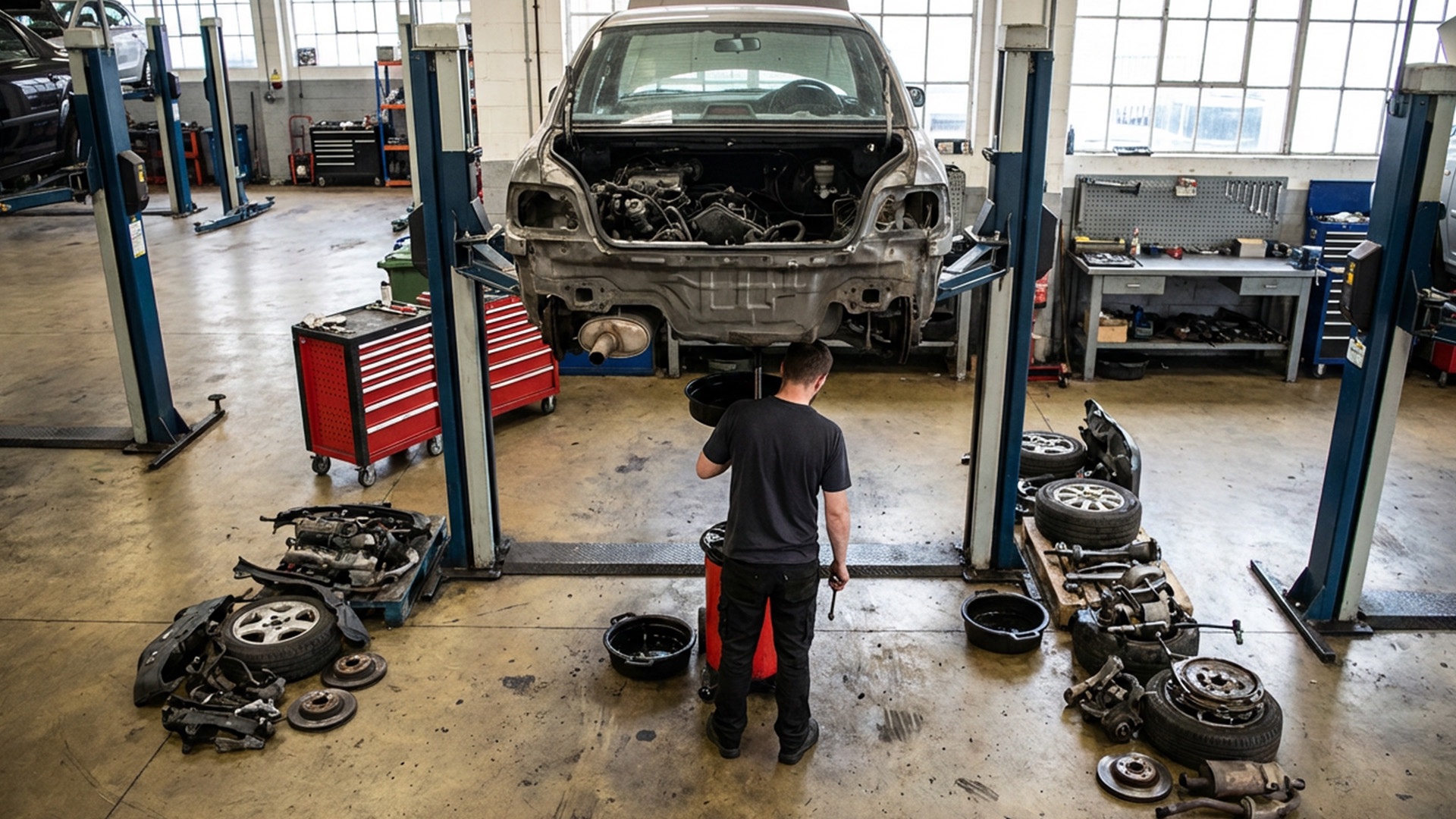
Not all car breakers operate with the same environmental standards. Professional ATF-certified dismantlers follow strict protocols that protect both the environment and ensure part quality. They handle safe fluid removal and disposal, preventing soil and water contamination from oils, coolants and other vehicle fluids. Proper hazardous material handling ensures batteries, airbags and other dangerous components are managed safely.
Quality control testing guarantees that used parts meet safety and performance standards before they're sold. Systematic cataloguing makes parts easily searchable and available to customers when needed. These professional standards ensure that when you choose used parts, they're not only environmentally friendly but also reliable and safe for installation in your vehicle.
Supporting Sustainable Business Practices
When you choose to buy from suppliers offering both new and quality used parts, you're supporting businesses that provide comprehensive options.
Professional car breakers and ATF-certified dismantlers who supply quality used parts invest heavily in environmental responsibility. They use proper depollution equipment and procedures, provide staff training on environmental best practices, maintain compliance with environmental regulations and implement quality control systems ensuring used parts meet high standards. Supporting these businesses encourages continued investment in sustainable practices across the automotive industry.
Conclusion
The automotive parts market benefits from diversity - new parts, OEM parts and quality used components each serve important roles in keeping vehicles running safely and efficiently. Understanding the environmental benefits of used parts helps you make informed decisions without sacrificing quality or safety.
By working with suppliers who offer comprehensive options including both new and quality used parts, you gain the flexibility to choose based on your specific needs, budget and environmental priorities. Quality used parts from professional dismantlers offer proven reliability with significant environmental benefits, while new and OEM parts provide essential solutions for other circumstances.
The next time your car needs a replacement component, consider all your options. Having access to both new and quality used parts means you can make the choice that's right for your specific situation - whether that's new parts for critical systems or quality used components where environmental and economic benefits align perfectly.
It's not about choosing one over the other. It's about having professional options available and making informed decisions that serve both your vehicle's needs and your personal values.
Useful Resources
Environment Agency Find Authorised Treatment Sites (ATF) depolluting and dismantling End of Life Vehicles (ELV).
Environment Agency Environmental Permitting Regulations – Waste Operations
Environment Agency - Register of Scrap Metal Dealers
GOV.UK - Scrap Your Vehicle - Official guidance on vehicle disposal